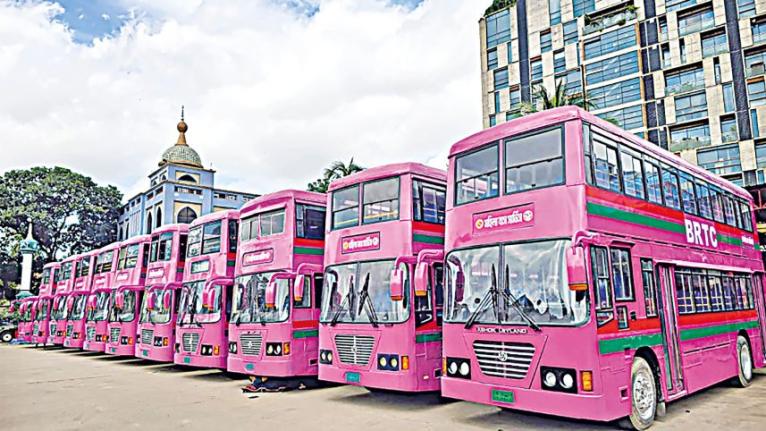
In Bangladesh, the reservation of seats for women on public transport is often misunderstood, with many commuters incorrectly believing that women are restricted solely to these designated areas. This practice is supported by both the constitutional and legal framework of the country. The Road Transport Act, 2018, specifically under section 34(1), empowers transport authorities to designate seats for women, children, the elderly, and disabled persons. Furthermore, section 49(1) (Gha) prohibits other passengers from occupying these seats, with violations punishable under section 92(2) by up to a month of imprisonment, a fine of up to Tk 5,000, or both. Legally, these provisions establish a minimum priority, not a maximum limit on access, meaning women are not legally barred from using general seating areas. The constitutional basis for these reservations is found in Article 28(4), which allows for affirmative action to address socio-economic inequalities, and Article 19(3), which mandates efforts to provide women with an equal footing in national life. These measures are rooted in the principle of substantive equality, acknowledging that addressing systematic exclusion and harassment requires targeted interventions rather than treating all groups identically.
বাংলাদেশ সময়: ২২:২৯:৫৮ ১৫ বার পঠিত #Affirmative Action #Bangladesh Constitution #Legal Rights #Public Transport #Road Transport Act 2018 #Substantive Equality #Women's Rights