

রবিবার, ২৫ অক্টোবর ২০২৬, ১০ কার্তিক ১৪৩৩, গণপ্রজাতন্ত্রী বাংলাদেশ সরকার কর্তৃক অনুমোদিত

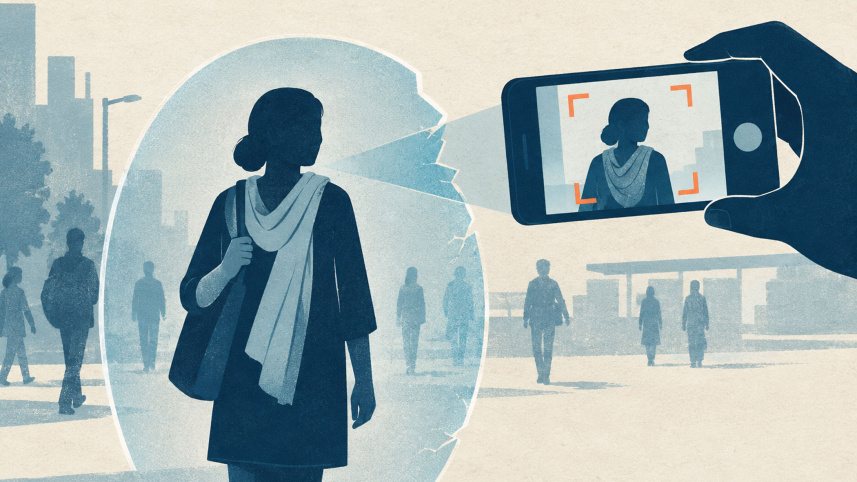
The rise of social media monetization has led to an increase in the non-consensual filming of citizens in public spaces. While formal journalists are bound by the National Broadcasting Policy 2014, unregulated content creators often operate without similar constraints, frequently targeting women for sensational content.
Modern legal jurisprudence distinguishes between incidental observation and targeted fixation. The European Court of Human Rights has recognized that individuals retain a zone of interaction protected as part of their private life even in public.
Bangladesh’s Constitution, through Articles 32, 39, and 43, provides protections for life, liberty, and privacy. Existing legal remedies include sections 499 and 500 of the Penal Code for defamation, section 509 for insulting a woman’s modesty, and section 506 for criminal intimidation. Furthermore, the Pornography Control Act 2012 and the Cyber Protection Act 2026 address the creation and distribution of harmful digital content. Victims are advised to document evidence, report content to platforms, and file complaints with the police or magistrates. Law enforcement can request the BTRC to block harmful content via the National Cyber Protection Agency. Despite these provisions, the lack of a specific regulatory framework for content creators remains a significant challenge in preventing digital harassment.
বাংলাদেশ সময়: ১০:৫৭:১৪ ১১ বার পঠিত #Bangladesh Law #Cyber Law #Digital Harassment #Human Rights #Privacy Rights #Social Media
