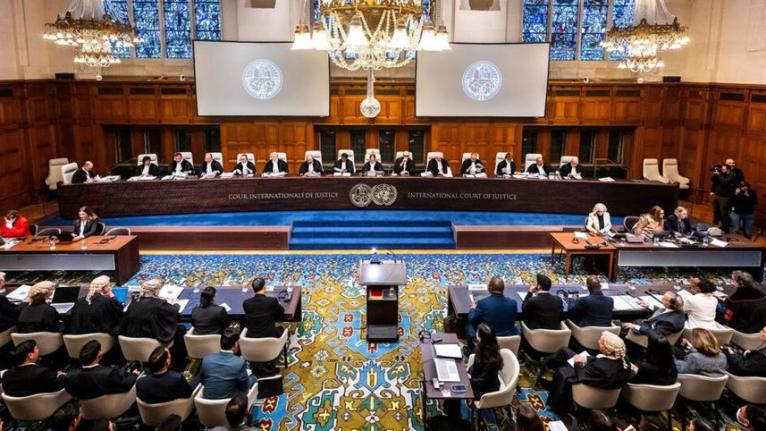
The International Court of Justice (ICJ) delivered a historic judgement on 19 November, finding that Myanmar committed genocide against the Rohingya people. This ruling marks the first time the ICJ has held a state responsible for genocide. The court highlighted the scale of atrocities, including the killing of thousands of civilians, widespread sexual violence, and the destruction of homes, as evidence of an intent to destroy the group. Furthermore, the court identified the restriction of birth rates and the promotion of anti-Rohingya hate speech as key indicators of genocidal intent.
The ICJ also attributed responsibility to private individuals and actors for committing genocide, marking a departure from traditional views of state responsibility under international law.
The court formally recognized the Rohingya as a distinct ethnic group, a finding expected to support their rights to citizenship and self-determination. The ICJ has ordered Myanmar to provide reparations, enact legislation to comply with the Genocide Convention, and facilitate the safe, voluntary, and dignified return of refugees. While the judgement does not establish individual criminal liability, it sets a significant precedent for state responsibility and provides a framework for accountability that may influence future international legal proceedings.
বাংলাদেশ সময়: ২৩:৫৪:১৮ ২২ বার পঠিত #Genocide #Human Rights #ICJ #International Law #Justice #Myanmar #Rohingya