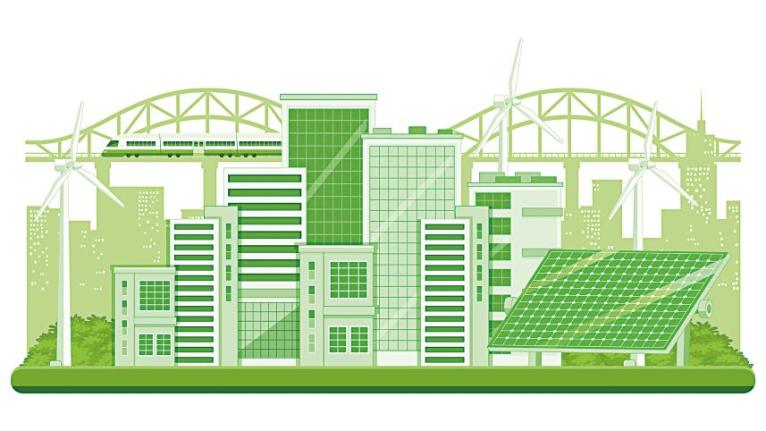
The built environment, encompassing residential, commercial, and industrial structures, plays a critical role in shaping human rights. An integrated development approach, which considers building design and construction, is essential for safeguarding these rights. While the Bangladesh National Building Code, 2020, has introduced principles of sustainability and universal accessibility, the legal framework for construction remains largely rooted in colonial-era realities, often failing to incorporate modern norms of inclusion and equality. Access to built spaces is a fundamental pillar for securing the rights of individuals with diverse needs, yet current design approaches often lack the necessary compassion to uphold accessibility principles.
The judiciary has played an active role in promoting integrated development through various rulings. In Giasuddin v Dhaka Municipal Corporation (1997) and RAJUK v Mohsinul Islam (2001), the courts emphasized public health, environmental integrity, and the importance of open spaces. Furthermore, in BELA v Bangladesh (2004), the High Court declared a satellite township project illegal for deviating from its master plan, and in BLAST v Bangladesh (2008), the court mandated safety compliance following a fatal building collapse. Despite this, judicial activism appears less pronounced when human rights issues are not directly linked to environmental concerns.
Cultural contextualism also remains a vital aspect of urban planning, supported by Article 24 of the Constitution and the Antiquities Act, 1968, which protect historical sites from alteration. While rules like the Dhaka Metropolitan Building Development Rules, 2008, require special clearance for construction near historical sites, as seen in the case of HRPB v Bangladesh (2010) regarding Mahasthangarh, the effectiveness of these legal responses in practice remains a concern. Moving forward, the implementation of a cross-sectional human rights impact assessment at the initial design stage of new structures is necessary to ensure an equitable built environment.
বাংলাদেশ সময়: ১২:২৫:০৪ ১৭ বার পঠিত #Accessibility #Bangladesh Law #Built Environment #Construction Law #Cultural Heritage #Human Rights #Judicial Activism #Urban Planning