

বৃহস্পতিবার, ২২ অক্টোবর ২০২৬, ৭ কার্তিক ১৪৩৩, গণপ্রজাতন্ত্রী বাংলাদেশ সরকার কর্তৃক অনুমোদিত

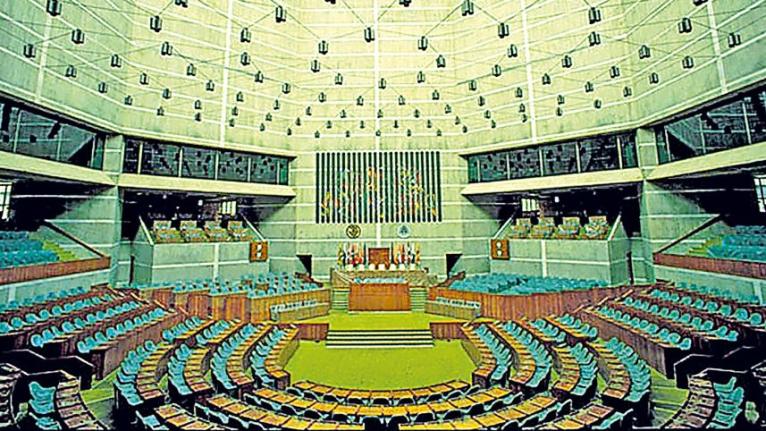
Article 70 of the Constitution of the People’s Republic of Bangladesh prevents Members of Parliament (MPs) from voting against their party’s position, with the risk of losing their seats for doing so. While this provision was historically introduced to ensure political stability and prevent opportunistic floor-crossing, there is growing debate regarding its impact on parliamentary independence and democratic accountability.
The historical and political context in which Article 70 was introduced justified its adoption to ensure political stability. That said, it is crucial to examine if the current political landscape justifies reliance on this ‘stability’ argument anymore.
Critics argue that because MPs are elected by the people, their primary responsibility should be to their constituents rather than solely to party directives. Concerns have been raised that Article 70 limits an MP’s freedom of speech and thought, potentially undermining the democratic spirit of the Constitution. Furthermore, it is argued that the provision creates a barrier to the rule of law by limiting checks and balances on the executive branch. In the sixteenth amendment case (Government of Bangladesh and Others v Advocate Asaduzzaman Siddiqi and Others, 2017), senior advocates argued that Article 70 dilutes the doctrine of separation of powers by restricting the ability of Parliament to act as an independent check on the executive. Many democratic nations, such as the United Kingdom and Canada, allow for more flexible voting arrangements, and India provides specific exceptions for party mergers. Reformers suggest that Bangladesh could benefit from adopting similar approaches to balance political stability with the need for parliamentary independence and executive accountability.
বাংলাদেশ সময়: ৮:৫০:৪৯ ১৯ বার পঠিত #Article 70 #Bangladesh #Constitution #Democracy #Law #Parliament #Politics
